cropper
update

AI NEXUS AFRICA NEWS BLOG 

update
  • Home
  • Categories
    • AI AFRICA EVENTS
    • AI CONFERENCES
    • EDITORS BRIEFS
    • AI VA INSIGHTS
    • AI GLOBAL
  • All Posts
  • AI AFRICA EVENTS
  • AI CONFERENCES
  • EDITORS BRIEFS
  • AI VA INSIGHTS
  • AI GLOBAL
February 05.2026
1 Minute Read

AI in Africa: From Adoption to Agency and Ownership

76% of all African countries are now investing in artificial intelligence—yet less than a third have developed frameworks for ownership and governance. As Africa enters the transformative AI age, this stark imbalance signals a crossroads: Will the continent become a creator and regulator of artificial intelligence, or remain a consumer? The march from AI access to true agency is packed with opportunity and risk, demanding urgent attention to ownership, governance, and value creation for Africa’s future.

Vibrant urban African technology hub with diverse professionals collaborating on AI in Africa

A Startling Shift: Beyond AI Access in Africa

Africa stands at an inflection point. With AI adoption accelerating across the continent, investment in artificial intelligence is fast outpacing local frameworks for responsible ai governance and digital sovereignty. Governments in South Africa, Kenya, Ghana, and Rwanda are pouring resources into AI systems and infrastructure. But whether AI serves as a tool for true economic transformation—or simply deepens dependencies on foreign global tech—depends on how agency and ownership take root.

Access alone is no longer sufficient. To deliver on the promise of the AI age, african countries must forge national AI strategies that reflect local priorities and realities, rather than simply importing models and frameworks from abroad. This means creating homegrown AI models, investing in local talent, and designing governance frameworks that prioritise transparency, accountability, and shared value. The new frontier in African AI is not just about bringing the technology to local markets—it’s about enabling Africans to shape, govern, and profit from artificial intelligence on their own terms.

'76% of all African countries are now investing in artificial intelligence—yet less than a third have developed frameworks for ownership and governance.'

Africa Must Advance from AI Access to Ownership

  • Why access alone is insufficient: Without ownership and agency, Africa risks digital colonisation—fueling global AI but missing out on value creation and control.
  • The paradigm shift to agency and value creation: Empowering local innovators, regulators, and civil society promotes AI that elevates African economies and protects African data.
  • Importance of contextualised AI governance: African challenges require tailored ai policy responses—from data protection to ethical guidance—that reflect the continent’s diverse realities.

As African nations work to move beyond access and toward true agency, the development of robust AI governance strategies becomes increasingly vital. For a closer look at how these strategies are being shaped and the latest policy initiatives across the continent, you can explore the latest updates on AI governance and innovation in Africa.

What You'll Learn About AI in Africa’s Agency and Ownership

  • The evolution from AI access to local agency in Africa
  • Current AI governance, policy, and value creation debates
  • What ownership means for Africa’s digital future
  • How global AI frameworks affect continental AI ambitions

Defining the Next Frontier: Agency and Value Creation in AI for Africa

Artificial Intelligence in Africa: Current Landscape

Africa’s digital landscape is rapidly changing, with artificial intelligence woven into the fabric of daily life—from bustling fintech hubs in Lagos to smart agriculture in rural Ghana. The AI economy is beginning to deliver benefits: new jobs, improved health care, and locally relevant products. What distinguishes this era, however, is that local startups and governments are no longer satisfied with mere adoption. They are laying the groundwork for ai models built on african data and seeking to ensure that the value generated stays on the continent. As more countries implement or refine their national ai strategies and invest in local ai systems, the hands-on application of AI—tailored to Africa’s unique contexts—has never been more critical.

Despite this progress, there remains a significant gap in ai governance and data protection. Only a handful of african governments have enacted comprehensive AI policies, and even fewer have frameworks for ethical oversight, data sovereignty, or transparent value sharing. The future of ai in africa is moving from access to agency, raising urgent questions about ownership, governance, and value creation—and how African societies answer these questions will define their economic transformation.

Contemporary African city skyline with local entrepreneur reviewing AI analytics dashboard, representing artificial intelligence in Africa

Global AI vs. Continental AI: Contrasts and Collaboration

African nations must chart their own path between global AI powerhouses and the promise of indigenous innovation. Global AI continues to shape standards and business models, often imposing approaches that overlook local nuances. Yet, the rise of continental AI strategy—case in point, the African Union’s digital frameworks—demonstrates a growing intent to build systems tailored to African needs. Cross-border efforts are intensifying, with the vision that Africa must be a creator and regulator rather than a passive end-user.

"Africa must move beyond being consumers of artificial intelligence to become creators and regulators—otherwise, digital colonization looms."

Striking a balance between leveraging global expertise and safeguarding agency is essential. True ai governance in Africa means setting priorities, frameworks, and professional standards that reflect diverse African legal, cultural, and social systems—not just adapting external models. As more continental and national dialogues shape policy, the opportunity for collaboration with global tech partners remains rich, but Africa must define the rules of engagement to ensure lasting value and digital sovereignty.

The Role of AI Economy and Value Creation

Africa’s emerging ai economy is a crucible for both opportunity and risk. Unlike traditional sectors, value in AI is created through innovation, data, and agile entrepreneurship. Across Africa, homegrown AI startups are springing up: from Ghana’s Okra (fintech infrastructure) to South Africa’s Aerobotics (precision agriculture), local teams are addressing distinctly African challenges with creative solutions. Open-source AI projects like Deep Learning Indaba have become continental rallying points for talent development and solution sharing.

Local AI agency cultivates ecosystems where startups can access breakthrough ideas, funding, and markets—enabling a shift from imitation to innovation. When African entrepreneurs control data, set standards, and build original ai systems, they generate value within their economies instead of exporting it to global tech giants. For the AI age to be transformative, Africa’s innovation engines must be supported by policies focused on inclusivity, IP protection, and fostering robust multi-sectoral AI strategies.

Energetic African startup scene analysing AI code and robotics, driving local value creation
  • Examples of African AI startups advancing health tech, fintech, and smart agriculture
  • Open-source AI projects across Africa enabling knowledge and tool sharing for all
  • How local AI agency fosters homegrown innovation and regional solutions

AI Governance: Urgent Policy Questions for Africa’s Leaders

The Four Pillars of AI Governance

To ensure that AI in Africa benefits society and spurs local growth, a robust AI governance framework is essential. The four pillars of AI governance—policy and regulation, ethics and responsibility, transparency and accountability, and ownership and value sharing—serve as the foundation. By embedding these principles across AI strategies, Africa’s leaders can set guidelines that drive safe and inclusive deployment of artificial intelligence.

  • Policy and Regulation
  • Ethics and Responsibility
  • Transparency and Accountability
  • Ownership and Value Sharing

While policy and data governance are rapidly evolving, gaps remain in aligning regulation with fast-moving AI developments. The challenge is to create governance models that enable innovation without stifling ingenuity—ensuring that civil society has a voice, that local data remains protected, and that accountability is maintained for all actors. As AI systems advance, these pillars will shape Africa’s capacity to harness benefits, reduce risks, and maintain digital sovereignty.

AI Policy Development: Lessons from Continental AI Strategy

The rise of a continental AI strategy led by the African Union marks a shift in how African governments address AI. Drawing from global best practices while tailoring policy to local conditions is key. Lessons learned from successful national AI strategies in countries like Rwanda and Ghana—where government, academia, and industry collaborate on ethical guidelines and innovation programs—demonstrate that inclusive policy development yields resilient governance. Policy frameworks built for the African context will ensure AI reflects social priorities, addresses historical inequities, and prioritizes secure local data use.

Continental cooperation also creates leverage in negotiations with global tech stakeholders, empowering African countries to secure better terms and shape international standards. The moment demands recognizing that AI in Africa is moving from access to agency, raising urgent questions about ownership, governance, and value creation—and policy development must lead the way.

Gaps in African AI Governance Toolkit

Despite remarkable progress, there are notable gaps in AI governance across Africa. Many nations lack comprehensive data protection laws, ethical oversight mechanisms, or frameworks for intellectual property as it relates to algorithms and locally generated data. Fragmented policy implementation and limited regulatory capacity further challenge the effectiveness of existing governance tools. The path forward will require greater cross-border collaboration, sharing of best practices, and investment in technical capacity-building for government and civil service.

To bridge these gaps, African governments must focus on developing adaptive, participatory, and context-aware AI governance strategies that can handle both local and multinational actors. The ability to iterate and strengthen governance mechanisms is essential to ensure Africa stands as both a global innovator and responsible steward of artificial intelligence.

Comparing AI Policy Frameworks Across African Countries
Country AI Policy/Frameworks Data Protection Law National AI Strategy Regulatory Body
South Africa Draft AI Policy Yes (POPIA) In progress Department of Science and Innovation
Ghana Ethical AI Guidelines Yes Pilot initiatives Ministry of Communications & Digitalisation
Rwanda AI for Development Policy Drafted Yes Ministry of ICT and Innovation
Nigeria AI Roadmap No Under review NITDA

African policymakers discussing AI policy and governance strategy in a government meeting room

Who Owns African AI? Unpacking Agency and Digital Sovereignty

Africa Must Set Its AI Ownership Agenda

The question of ownership is fundamental for the future of AI in Africa. Unlike past technological shifts, artificial intelligence is powered by local data, cultural knowledge, and linguistic diversity—all assets that must be recognised, protected, and harnessed to benefit African entrepreneurs and communities. African nations must set their AI ownership agenda, building legal and policy structures for intellectual property, data stewardship, and equitable value sharing. Making digital sovereignty a priority ensures that African digital resources catalyse regional innovation rather than being exploited by global tech actors.

Across Africa, national and regional frameworks are emerging to assert this agency—ranging from data localisation laws to indigenous AI content requirements. Leadership by the African Union and national governments is essential for setting standards and protecting value, ensuring digital transformation is synonymous with local ownership.

Barriers to Ownership: Data Localization, Talent Flight, and IP Dilemmas

Several barriers hinder the establishment of robust AI ownership in Africa. Data localisation requirements often lag behind global standards, risking loss of control and value to external cloud and storage providers. Talent flight—with top African AI scientists and engineers recruited by international giants—undermines indigenous capacity to invent, regulate, and adapt AI models. Intellectual property (IP) dilemmas further complicate AI ownership: while Africa is generating original algorithms and datasets, legal protections and enforcement remain inconsistent across the continent.

"The future of AI in Africa is not just about technology, but about who controls the narrative, the data, and the destiny."

Overcoming these barriers requires multistakeholder collaboration—between policymakers, academia, businesses, and civil society—and a shared understanding that true agency comes from collective stewardship of data, talent, and ideas. Pioneering countries are embracing regional alliances to counterbalance global tech power and ensure Africa’s AI future is built on equity and long-term value capture.

Case Study: National AI Strategies Empowering Local Agency

  • Ghana’s AI governance initiatives: Focusing on ethical AI, data privacy, and open data to drive both startup growth and public trust.
  • Rwanda’s continental AI investments: Rolling out national AI infrastructure, workforce training, and cross-border partnerships through bold policy and public incentives.

Lessons from these national AI strategies highlight the need for comprehensive, context-driven policies that prioritise indigenous value creation, build public-private collaborations, and share lessons across Africa. When African nations set the agenda for their AI, they lay the foundation for both digital sovereignty and global leadership.

Pan-African data center with tech workers, symbolising secure digital sovereignty in Africa

Lists: Critical Opportunities and Risks for African AI Ecosystems

  • Opportunities: Job creation, improved healthcare, sustainable agriculture, homegrown AI solutions
  • Risks: Algorithmic bias, dependency on foreign systems, value extraction by global tech giants, data sovereignty concerns

African farmer using AI app in a rural field, illustrating both opportunities and risks of AI in Africa

People Also Ask: How is AI being used in Africa?

Current Applications of Artificial Intelligence in Africa

  • Healthcare diagnostics
  • Climate-smart agriculture
  • Fintech for financial inclusion
  • Language translation and cultural preservation

Nurse in African clinic using AI diagnostics for local healthcare solutions

Answer

African nations are leveraging artificial intelligence primarily in healthcare, agriculture, and financial technology. These uses emphasize localized challenges, such as improving crop yields using AI-driven predictions, delivering healthcare advice through digital platforms, and expanding financial inclusion with AI-powered mobile solutions.

People Also Ask: What are the 4 pillars of AI governance?

Exploring the Four Pillars: Case Relevance to African AI Strategy

African educators and students discussing the 4 pillars of AI governance in an academic workshop

Answer

The four recognized pillars—policy/regulation, ethics/responsibility, transparency/accountability, and ownership/value sharing—form the backbone of AI governance in Africa, guiding safe and equitable AI deployment across diverse sectors.

People Also Ask: What is the 10 20 70 rule for AI?

The 10 20 70 Rule in Context of African AI Development
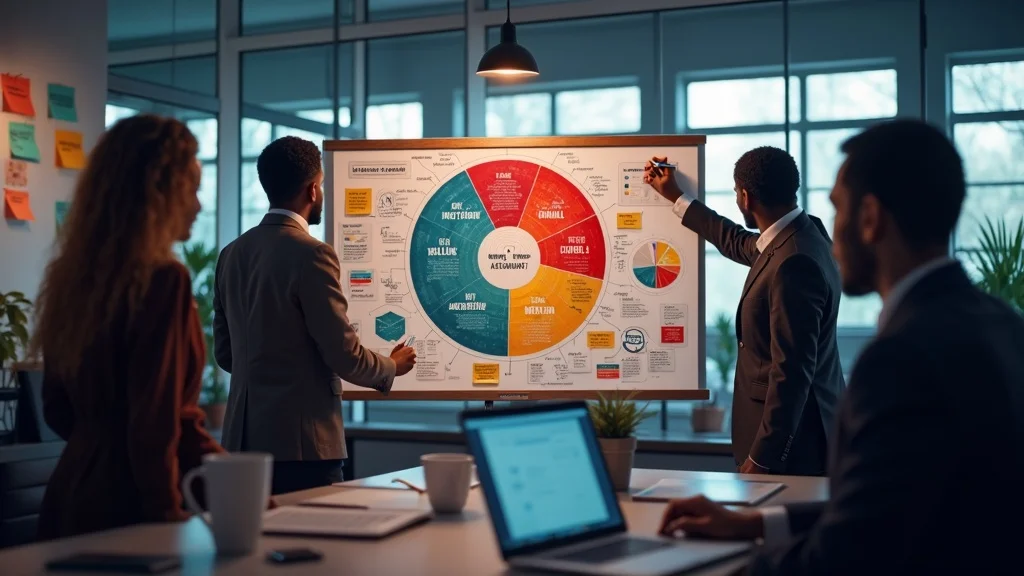
African innovation lab illustrating the 10 20 70 rule for AI projects in Africa

Answer

The 10 20 70 rule divides AI project efforts into 10% algorithms, 20% data, and 70% organizational change. In Africa, this approach spotlights the urgent need for talent, process adaptation, and local capacity-building over just technical investment.

People Also Ask: What is the AI governance toolkit for Africa?

Key Elements of Africa’s AI Governance Toolkit

  • Regulatory sandboxes
  • Public-private data agreements
  • National AI taskforces
  • Cross-border collaboration frameworks

Answer

Africa’s AI governance toolkit comprises regulatory models, ethical guidelines, cross-sector collaboration forums, and skill development programs tailored for the continent’s unique data, economic, and political environments.

Thought-provoking interviews with leading African AI strategists and entrepreneurs; scenes include panels, community workspaces, and policy roundtables, highlighting Africa’s shift from AI adoption to building digital agency and governance capacity.

Crafting a Continental AI Strategy: Moving from Imitation to Innovation

Building Indigenous AI Capacity

Developing sustainable, indigenous AI capacity is non-negotiable if Africa wishes to lead in the AI age. Strengthening higher education, fostering local data science communities, and investing in entrepreneur incubators will provide the skills and infrastructure necessary for Africa to author its own AI future. Pan-African collaborations are helping bridge research gaps, promote cultural inclusivity in AI models, and ensure that AI strategies reflect the continent’s diversity.

Continental AI Strategy: Lessons and Progress

The African Union’s emphasis on a continental AI strategy demonstrates a recognition that AI governance must transcend national borders. By learning from early adopters, harmonising ethical standards, and sharing data responsibly, Africa can scale innovation continent-wide. Such strategies facilitate the cross-border movement of talent and data while supporting regional economic transformation.

Milestones in Africa’s AI Policy and Strategy Timeline
Year Country/Body Milestone
2018 African Union Launch of Digital Transformation Strategy for Africa
2020 Ghana First National AI Ethics Consultations
2021 South Africa AI Policy Draft Released
2022 Rwanda Inauguration of National AI Data Centre
2023 PAN African Collaboration Continental AI Research Platform Announced

Collaborating on a Pan-African Level: Global AI Influences and Local Adaptation

Working together on a continental scale enables African nations to negotiate with global partners from a position of strength. By adapting global AI standards to local circumstances and building platforms for intra-African collaboration, policymakers and technologists make the most of Africa’s collective bargaining power. From language models that support African languages to region-specific climate models, global influences must be localised for genuine impact and sustained value.

Expert Insights: Quotes on Africa’s AI Agency and Governance

Expert from the African Union: 'Continental AI policy must reflect African priorities, ensuring value stays on the continent.'
AI economy analyst: 'Without agency and ownership, Africa will fuel global AI without reaping its dividends.'
Tech entrepreneur: 'The next unicorns will be built on indigenous data and local agency—if Africa gets its governance right.'

Key Takeaways on AI in Africa: From Agency to Ownership

  • AI adoption in Africa is accelerating, but agency and sovereignty are crucial
  • Strategic AI governance and policy must focus on ownership and value creation
  • The future of artificial intelligence in Africa depends on context, collaboration, and local innovation
  • African policymakers, entrepreneurs, and civil society play a pivotal role in shaping this landscape

FAQs About AI in Africa Is Moving from Access to Agency, Raising Urgent Questions About Ownership, Governance, and Value Creation

  • Q: Why is AI governance important in Africa?
    A: AI governance ensures ethical, fair, and beneficial use of artificial intelligence tailored to African contexts.
  • Q: How can African countries enhance their AI agency?
    A: Through skill-building, investments in local startups, supportive AI policy, and forging continental AI strategies.
  • Q: What are the risks of poor AI ownership in Africa?
    A: Loss of value, data extraction by global giants, and widened digital inequality.
  • Q: Is artificial intelligence already creating value in Africa?
    A: Yes, especially in sectors like agriculture, fintech, and healthcare, where tailored AI is producing real outcomes.

Conclusion: Charting Africa’s Destiny in the Age of AI

Africa must wield AI with agency—moving beyond adoption to shape, own, and benefit from the technology, setting a model for global AI governance.

As Africa continues to define its digital destiny, the journey from AI adoption to true agency and ownership is only just beginning. For those eager to understand the broader implications of these shifts and how they intersect with global trends, delving into comprehensive coverage on AI news and strategic developments across Africa offers valuable perspective. By staying informed about policy evolution, cross-border collaborations, and the rise of indigenous innovation, you can gain a deeper appreciation for the continent’s pivotal role in shaping the future of artificial intelligence. Explore these insights to discover how Africa’s approach to AI governance and value creation is setting new standards for digital sovereignty and inclusive growth.

Join The Conversation. Subscribe To Our News Channel

Sources

  • UNCTAD – https://unctad.org/news/africa-must-build-ai-governance-strategy
  • African Union Digital Transformation Publications – https://www.africa-union.org/digital-transformation/publications/
  • TechCabal – https://techcabal.com/2023/10/23/africa-ai-governance-strategy/
  • Development Seed – https://developmentseed.org/blog/2022-10-10-ai-data-africa/
  • World Economic Forum – https://www.weforum.org/agenda/2023/06/africa-ai-policy/
  • GSMA – https://www.gsma.com/africa/report/the-mobile-economy-sub-saharan-africa-2023/

Africa’s journey from AI adoption to true agency and ownership is gaining momentum, as highlighted in the African Union’s press release, “Africa Declares AI a Strategic Priority as High-Level Dialogue Calls for Investment, Inclusion, and Innovation. ” This document underscores the continent’s commitment to fostering inclusive, ethical, and sustainable AI ecosystems that prioritize African challenges and opportunities. (au. int) For a deeper understanding of the ethical and regulatory aspects of AI in Africa, the “AI Governance for Africa Toolkit” by the Thomson Reuters Foundation offers valuable insights. This resource aims to empower journalists and civil society organizations to inform public discourse and advocate for responsible AI deployment. (trust. org) If you’re serious about understanding and contributing to Africa’s evolving AI landscape, these resources provide essential perspectives on governance, ethics, and strategic priorities.


EDITORS BRIEFS

5 Views

0 Comments

Write A Comment

*
*
Please complete the captcha to submit your comment.
Related Posts All Posts
07.09.2026

Unlock AI Strategies African Entrepreneurs Must Know Today

Ready to supercharge your business with AI-driven success? AI strategies African entrepreneurs must know aren't just a distant promise—they’re unfolding now, right in African markets. For women-led businesses hungry for real, actionable solutions, understanding how to wield artificial intelligence means more than keeping up; it means leading with innovation, authenticity, and an unshakeable sense of purpose. In this article, She E-Boss Solutionist of SHE-Boss Solutionist—a seasoned strategist and advocate for women’s digital empowerment—breaks down the exact approaches that will help African women entrepreneurs grow, scale, and claim digital sovereignty on their terms. She E-Boss Solutionist's AI Strategies for African Women Entrepreneurs: The Core to Business Growth According to She E-Boss Solutionist, the journey to AI-powered growth for African women entrepreneurs starts internally—with a deep dive into your own beliefs and business fundamentals. Before deploying any advanced strategy or high-tech tool, she emphasizes, “A business owner needs to first sell their business to themselves before identifying their market. If they can sell it to themselves, they can genuinely promote and excite others about what they do. ” This perspective is a powerful reminder: authentic advocacy for your business begins at the source. If you haven’t convinced yourself of your brand’s value and vision, every marketing move—AI-driven or not—will lack resonance. She E-Boss Solutionist highlights how many African women entrepreneurs leap into tactical marketing before developing the internal clarity, processes, and emotional conviction needed to inspire others. Why Updating SOPs and Creating Empathy Maps is a Game Changer “African audiences differ greatly from Western ones. AI models tend to have a Western bias, so African entrepreneurs must teach AI about our unique cultural and market nuances.” As She E-Boss Solutionist, of SHE-Boss Solutionist, explains. She E-Boss Solutionist stresses that for AI strategies African entrepreneurs adopt to truly work, they must root every decision in context-specific SOPs—Standard Operating Procedures—and create empathy maps that capture the intricate emotional landscape of their African audience. She notes that while most AI algorithms are trained on massive data sets, “the information I get from here is very Western. It doesn’t have the African nuance. ” The implication for African women in business? Stop, update your SOPs, and build empathy maps that truly define who you serve—not just by demographics, but by feelings, daily struggles, aspirations, and cultural insight. Building these tools is challenging, but vital. The expert’s perspective is that the more African businesses document their processes and voice, the easier it becomes to “teach” AI platforms about the realities of their market—rather than only adapting to Western defaults. This intentional approach directly informs how AI-driven strategies—from content to customer targeting—will engage and convert. When you treat SOPs and empathy maps as living documents, you empower not just your team, but every AI tool you use. For entrepreneurs seeking practical examples of how these foundational strategies play out in real-world scenarios, exploring the challenges and triumphs faced by Tanzanian startup founders offers valuable perspective on adapting business processes and mindsets for sustainable growth. Revising Standard Operating Procedures (SOPs) to reflect authentic African business contexts. Developing detailed empathy maps that capture African customers’ feelings, challenges, and values over demographics. Ensuring AI tools adopt African perspectives rather than imposing Western frameworks. Practical AI-Powered Marketing Approaches for Immediate Implementation She E-Boss Solutionist champions accessible, hands-on AI-powered marketing strategies that any African woman entrepreneur can leverage immediately. From brand development to monitoring digital reputation, she breaks down exactly how these approaches work in the real world—not just in theory. Whether you’re running a charity in Uganda or scaling a global tourism brand, the principles remain the same: authenticity, clarity, and ongoing engagement using AI as an amplifier, not a replacement for your vision. Brand Development and Online Reputation Management Powered by AI “Taking a brand’s website and reviews through AI analysis helps uncover customer sentiment and identify strengths and gaps in online reputation.” As She E-Boss Solutionist, of SHE-Boss Solutionist, reveals. According to She E-Boss Solutionist, a foundational marketing strategy is conducting a comprehensive AI analysis of both your website and online reviews. This goes further than simply tallying ‘likes’ or star ratings; it’s about using AI to decode patterns in customer sentiment, spotlighting where your messaging hits home or where gaps in your brand voice exist. She actively incorporates this process for her clients, helping them interpret their brand not just from the inside out, but as customers experience it. She elaborates that, “I take their website. I analyze it. And I have them do an empathy map… The whole brand development, that voice, the message—all that, brand analysis is what I call it. ” This dual approach—AI-powered review scanning and human-centric empathy mapping—ensures your reputation strategy isn’t just reactive, but proactively guided by real signals from your audience. Using AI tools to conduct comprehensive brand voice and message analysis Monitoring Google business profiles and customer reviews to guide reputation strategies Aligning brand messaging with customer empathy insights Building Online Authority to Be the Answer That AI Recommends “African businesses struggle because they're not found online; building online authority is key so AI helps potential customers find you organically.” As She E-Boss Solutionist, of SHE-Boss Solutionist, affirms. Why do some African businesses remain invisible online, even when they have great products or services? She E-Boss Solutionist attributes this to a lack of digital presence and, crucially, the absence of online authority. She notes, “One of the biggest problems is the asset and business that are not being found. In the past it was all about SEO; now it’s about someone asking AI, ‘What’s the best tour company in Africa?’ or ‘Where’s the best lodge in Uganda?’” Her advice: become “the answer” AI recommends by combining AI-driven SEO with proactive digital engagement. African women entrepreneurs should invest in content and strategies tailored for voice search and AI agents, positioning themselves as authoritative sources—especially in industries like tourism, hospitality, and education, where both local and global audiences are searching for credible, authentic African businesses. Implementing AI-driven SEO strategies oriented towards voice search and AI recommendations Focusing on becoming authoritative sources in niche markets like tourism and hospitality Engaging continuously with customers to improve digital footprint Navigating Challenges and Opportunities: The Path to Digital Sovereignty for African Women Entrepreneurs Despite the immense potential of AI marketing, She E-Boss Solutionist doesn’t shy away from highlighting the unique challenges faced by African women entrepreneurs. Many existing AI tools are shaped by Western assumptions and lack an intrinsic understanding of African audiences. This knowledge gap, however, is not just a barrier—it’s a compelling opportunity for women entrepreneurs to shape the next wave of AI learning with authentic African data and context. The expert’s perspective is that true breakthroughs happen when entrepreneurs take ownership of their digital assets, educate AI on African realities, and prioritize sustainable digital footprints over dependence on third-party platforms. “We have to get in there and really teach, educate, and assist the AI learning model to really, really give African founders and businesses information that’s African-based. ” Understanding the limitations of existing AI technologies shaped by Western perspectives Seizing the opportunity to contribute to AI learning models with authentic African data and context Emphasizing ownership and control over digital assets to build sustainable, sovereign online presences Key Takeaways: Implementing AI Strategies That Resonate Locally and Scale Globally Start with internal clarity: sell your business to yourself and update SOPs accordingly Craft empathy maps: deeply understand your African audience’s unique needs and emotions Leverage AI tools: analyze brand voice, customer reviews and reputation online Focus on building robust online authority: improve AI-driven discoverability Advocate for and contribute to AI development: ensure African perspectives overcome Western bias Conclusion: Empower Your Business with Tailored AI Strategies Now “By embracing AI with an African lens and focusing on digital sovereignty, African women entrepreneurs can unlock transformative growth opportunities with authenticity and authority.” As She E-Boss Solutionist, of SHE-Boss Solutionist, powerfully concludes. The time for passive adoption of technology is over. According to She E-Boss Solutionist, African women entrepreneurs have the chance—and the responsibility—to shape how AI serves African markets, not the other way around. Start by aligning your SOPs and empathy maps with your true purpose, use AI for marketing and reputation management, and build lasting online authority. Real digital sovereignty means owning your narrative and your digital future. Connect with SHE E-BOSS SOLUTIONISTS to learn how AI can transform your business. Visit [website] or contact us at [email/phone] to start your digital sovereignty journey. If you’re inspired to deepen your understanding of the entrepreneurial landscape in Africa, consider exploring the broader experiences of innovators across the continent. The journey of Tanzanian startup founders, for example, reveals not only the hurdles but also the creative solutions that drive business growth in diverse African markets. By learning from these stories, you can gain fresh insights and advanced strategies to further empower your own entrepreneurial path. Discover more about these real-world lessons and how they can inform your next steps by visiting Insights from Tanzanian Startup Founders: Challenges and Triumphs. To further enhance your understanding of AI strategies tailored for African entrepreneurs, consider exploring the following resources: “AI Made Simple: How African Business Owners Can Use Artificial Intelligence to Grow” (techtrends.africa) This article provides a straightforward guide on how African business owners can leverage AI to enhance efficiency and drive growth, offering practical steps for implementation. “Top 10 AI Use Cases for African SMEs in 2026” (hunterbi.com) This resource outlines ten specific AI applications that are particularly beneficial for small and medium-sized enterprises in Africa, highlighting areas such as customer service, financial management, and marketing automation. By delving into these materials, you’ll gain actionable insights into integrating AI into your business operations, enabling you to navigate the unique challenges and opportunities within the African market effectively.

07.08.2026

How Female Founders Are Changing Business Now

AI Technology Empowering Female Founders in Africa: Reclaiming Time for Visionary Leadership There’s a profound revolution underway—a shift that’s challenging the old boundaries of entrepreneurship and empowering a thriving new generation: female founders across Africa harnessing AI technology to redefine what’s possible. For African women entrepreneurs, the promise of AI isn’t just about automation; it’s about reclaiming precious time and channeling energy into their true passions, vision, and specialist expertise. As She E-Boss Solutionist of SHE-Boss Solutionist underscores, “One of the biggest things AI is doing is freeing up female founders to focus on their passions and vision by taking over mundane tasks like content creation and marketing. ” This liberation from routine tasks transforms how women lead, allowing them to step more fully into roles of visionary leaders, not just operators. The rapid adoption of AI technology among Africa’s female founders is catalyzing a shift that matches the drive and ambition unique to this continent’s women. As digital tools streamline everything from content design to marketing campaign management, more women are equipped to lead sustainable, scalable ventures. The pattern is clear: those who integrate AI efficiently move faster, communicate more powerfully, and have more bandwidth to ideate, nurture collaborations, and build brand communities authentically. According to She E-Boss Solutionist, this is a new era where AI “takes care of all the everyday machinery of creating content, know, creating images, and any of that kind of stuff. ” For the first time, African women are realizing what it means to truly lead a business on their own terms. "One of the biggest things AI is doing is freeing up female founders to focus on their passions and vision by taking over mundane tasks like content creation and marketing." – She E-Boss Solutionist, SHE-Boss Solutionist Automating Content Creation and Marketing: The Game-Changer for Women-led Startups For decades, marketing and content production presented two major hurdles for women-led startups across Africa: soaring outsourcing costs and the relentless demand for technical know-how. Enter AI-powered tools—and a paradigm shift begins. Today, platforms like Gamma and a host of intelligent apps have democratized access to professional-level content design, email marketing, graphics creation, and social video editing. No longer held back by budgetary or technical constraints, female founders using AI technology in Africa can produce sleek, on-brand campaigns at the tap of a button. As African women entrepreneurs continue to leverage AI for content and marketing, their journeys echo the broader experiences of startup founders across the continent. For a closer look at the unique challenges and triumphs faced by Tanzanian founders, including how they navigate innovation and resource constraints, explore these insights from Tanzanian startup founders. According to She E-Boss Solutionist, this automation does more than save hours; it elevates the voice of women entrepreneurs in spaces once closed off due to resource barriers. She observes, “Now they can just use Baby Gamma, they can use all the different apps out there. That can take care of all the everyday machinery of creating content. ” The result? More authentic time spent driving business growth, serving audiences, and iterating on product-market fit. Crucially, this isn’t about replacing creativity—it’s about augmenting it, giving founders the breathing room to pursue bolder visions and create a lasting competitive edge. Real Success Story: African Female Founders Leveraging AI to Create Professional Webinars and Social Content Within leading innovation networks such as the African Systems Network, stories are emerging that spotlight how AI technology is a true enabler for women-led startups. Take, for example, the surge of professional presentations and engaging webinars that would have once drained months of effort and substantial cash. By leveraging AI tools like Gamma, female founders are now producing content that commands attention—without the traditional time or monetary barriers. She E-Boss Solutionist reflects on these transformations: “Using AI tools like Gamma, founders are able to produce high-quality presentations and webinars without the usual time or cost burdens, boosting their professional presence online. ” The multiplier effect is real—African women are harnessing AI not just to save costs, but to expand their digital footprint on platforms like LinkedIn and TikTok, communicate at scale, and solidify their reputation as thought leaders in their niches. This visibility is laying the groundwork for deeper customer engagement, new collaborations, and measurable business growth. "Using AI tools like Gamma, founders are able to produce high-quality presentations and webinars without the usual time or cost burdens, boosting their professional presence online." – She E-Boss Solutionist, SHE-Boss Solutionist Creating LinkedIn posts and TikTok videos efficiently Developing visually rich presentations for webinars Streamlining marketing efforts without outsourcing The Crucial Role of Brand Alignment and SOPs When Integrating AI in Female-Led Businesses While the initial burst of AI-fueled productivity is a game-changer, She E-Boss Solutionist urges every ambitious founder to pause and reflect on one foundational truth: “AI is a generalist, but businesses need to be specialists. ” The greatest value lies in how uniquely you can program and prompt your AI to reflect your business’s distinctive qualities. Here’s where most stumble—the absence of clear Standard Operating Procedures (SOPs) and a well-articulated brand voice can lead to “amazing, great ideas” that unfortunately feel “common and boring. ” This is not merely an AI integration challenge; it’s a strategic wake-up call for women leaders who want long-term brand value and authenticity. According to She E-Boss Solutionist, every African founder must establish—and frequently update—a codified source of brand truth: “Making sure that they have what we call a source of truth…so the AI can understand their particular business. ” This includes your mission, audience, messaging, voice, and even your business’s quirks. Such clarity ensures AI doesn’t just save time—it becomes a true extension of your company’s soul. "AI is a generalist, but businesses need to be specialists. Having up-to-date SOPs and a clear brand voice is essential for AI to create authentic content aligned with your unique business identity." – She E-Boss Solutionist, SHE-Boss Solutionist Why African Women Entrepreneurs Must Develop a ‘Source of Truth’ for Their AI Tools The journey to unlocking the full potential of AI technology in African women-led businesses starts with internal clarity. If your core message, brand values, and operational procedures are not crystal clear and readily accessible, you risk losing the authentic spark that differentiates your business from a generic operation. As She E-Boss Solutionist emphasizes, “People don’t have maybe SOPs or if SOPs are very old…”—and that’s where AI, left unchecked, churns out content that is technically correct but lacks emotional resonance and differentiation. Defining your source of truth—up-to-date brand guidelines, SOPs, and a living business code of conduct—is the foundation for successful AI implementation. For African women entrepreneurs, this isn’t just about consistency; it’s about ensuring their AI-generated output (from marketing copy to customer responses) not only follows best practices but actively advances their specialist positioning in the marketplace. The expert’s perspective is that investing in structured brand development pays dividends in both business authenticity and customer loyalty. Avoiding Generic Content: Crafting a Distinct Brand Message and Voice with AI One overlooked risk of deploying AI technology is falling into the trap of generic, uninspired content. “Sometimes some of the posts. . . they’re amazing, great ideas. But they have something that’s kind of common and. . . boring,” observes She E-Boss Solutionist. The path forward is clear: don’t just prompt your AI tools—teach them your business’s DNA. Insist that every AI iteration is fed with up-to-date info on your mission, vision, values, and distinct voice. This commitment pays off in content that stands out in a saturated digital landscape and genuinely resonates with your intended audience. By consistently reviewing and refining AI-generated material, smart founders ensure their digital output is never “redundant” or out of tune. This ongoing brand stewardship is central for entrepreneurs determined to scale authentically. As She E-Boss Solutionist reminds us, “Everything that it [AI] produces for that founder and for that business is aligned with their brand—not just the color palette or the logos, but really the voice, the message. ” The true competitive edge in the AI era is not the technology, but the clarity of purpose you bring to it. Define your mission, vision, and core brand values Document and update Standard Operating Procedures regularly Incorporate your brand voice and messaging into AI prompts Consistently review AI-generated content for brand alignment Strategic Recommendations: Practical AI Applications to Scale Women-Led Startups in Africa Operationalizing AI technology in African women-led enterprises involves more than flashy tools—it’s about embedding smart, scalable tactics into daily business routines. According to She E-Boss Solutionist, these practical steps can ignite real transformation. From AI-powered marketing automation to quick-turn branding materials and 24/7 AI-based customer service chatbots, the returns are both immediate and sustainable. The real growth levers, she suggests, emerge when AI tools are used deliberately to streamline the entrepreneur’s unique strengths—not replace them. Drawing on her experience in digital business infrastructure, She E-Boss Solutionist recommends a blended approach: “Leverage AI-driven graphic design apps for quick branding materials” and “implement AI to analyze customer data for refined targeting. ” These advances are making it possible for women in Africa to future-proof their businesses, remain customer-centric, and scale with agility—even while running lean teams. The fundamental lesson: every AI win begins with a clear vision and an unwavering commitment to digital ownership. Use AI-powered marketing automation tools to handle repetitive campaigns Leverage AI-driven graphic design apps for quick branding materials Utilize AI-based customer service chatbots to engage audiences 24/7 Implement AI to analyze customer data for refined targeting Unlocking Digital Sovereignty: Owning Your Brand in the AI Era The ultimate prize for Africa’s female founders is digital sovereignty—total control over how their business is represented, engaged with, and grown online. Too often, startups invest energy and resources into third-party platforms while losing sight of the need to build proprietary, enduring brand assets. She E-Boss Solutionist cautions, “African founders must strive for digital sovereignty—owning their digital presence rather than relying on external platforms—to fully harness AI’s potential authentically and sustainably. ” This means owning your content pipeline, nurturing your audience on platforms you control (from your website to email list), and leveraging AI as an enabler—not a crutch. The future of African women entrepreneurship is self-determined, and the most lasting businesses will be those that combine efficient automation with a relentless focus on specialist value, brand consistency, and stakeholder trust. "African founders must strive for digital sovereignty—owning their digital presence rather than relying on external platforms—to fully harness AI's potential authentically and sustainably." – She E-Boss Solutionist, SHE-Boss Solutionist Balancing AI Efficiency with Authentic, Specialist Business Growth AI offers a tidal wave of opportunities, but growth rooted solely in efficiency risks diluting a founder’s unique business identity. The smart approach—championed by She E-Boss Solutionist—is to view AI-powered productivity as a lever for deeper brand storytelling, specialist positioning, and cultivating customer loyalty. The job of African women leaders is not to become AI slaves, but to leverage these technologies so that their voice, vision, and values come through consistently, even at scale. For every entrepreneur in Africa—whether building a digital-first brand or modernizing a traditional business—the answer lies in this balanced strategy. Efficiency should never overshadow the specialist advantage you bring, nor the community you serve. By weaving your “source of truth” into every AI system, and demanding that tools amplify—not overwrite—your story, sustainable growth becomes not just possible, but inevitable. Key Takeaways: How Female Founders in Africa Can Lead with AI to Transform Their Businesses AI frees time for vision and passion by automating mundane tasks Professional-quality marketing and presentations are now accessible through AI apps A strong brand foundation and updated SOPs are critical for authentic AI content Digital sovereignty ensures true ownership and control over your business’s online presence Ready to Elevate Your Business? Harness AI for Sustainable Growth The blueprint for transformational success with AI technology for Africa’s female founders is now clear: combine automation with intentional brand stewardship, invest in your specialist strengths, and claim true digital ownership. She E-Boss Solutionist has shown that the most profound business breakthroughs are born when technology becomes your ally, not your replacement. If you’re inspired to deepen your understanding of the entrepreneurial landscape in Africa, consider exploring the broader spectrum of founder experiences and strategies. Delving into the journeys of Tanzanian startup leaders can offer valuable context and advanced perspectives on overcoming obstacles and driving innovation—insights that can further empower your own business growth. The article “How Female Founders Are Changing Business Now” highlights the transformative impact of AI technology on women-led enterprises across Africa. To further explore this topic, consider the following resources: “Eight African Female Founders Make 2026 Aurora Top 30, Signalling Rising Momentum in AI, Fintech and Climate Innovation” (thenextafrica.com). This article profiles eight African women entrepreneurs recognized for their innovative contributions in AI and other sectors, illustrating the growing influence of female leaders in technology-driven industries. “Women in AI: Charlette N’Guessan is Tackling Data Scarcity on the African Continent” (techcrunch.com). This piece delves into the work of Charlette N’Guessan, who is addressing data scarcity challenges in Africa through AI solutions, showcasing the pivotal role of women in advancing technological innovation on the continent. These resources provide valuable insights into how female founders are leveraging AI to drive business transformation and innovation across Africa.

12.26.2025

How Empowering African Women AI Is Changing Lives Today

Empowering African women AI is more than a buzzword—it’s an urgent call to action changing the landscape for women entrepreneurs across Africa. From bustling city startups to vibrant rural enterprises, digital sovereignty and AI-driven innovation are rewriting what’s possible for female founders on the continent. She E-Boss Solutionist, of SHE-Boss Solutionist—a renowned expert in women’s economic empowerment and AI business integration—serves as our authoritative guide. Her lived experience and unique perspective reveal how AI isn’t just leveling the playing field, it’s building entirely new arenas for African women to compete, thrive, and lead. Unlocking AI Potential: Why Empowering African Women Entrepreneurs Matters Why does empowering African women with AI matter so much right now? According to She E-Boss Solutionist, African women entrepreneurs are nothing short of brilliant, capable, and deeply resourceful This belief is woven into the daily reality of African enterprise. The digital revolution now unfolding is presenting women across Africa with tools to transcend outdated limitations, disrupt industries, and build resilient, future-ready businesses. Empowering African women AI is about blazing a new trail—one that ensures talent, rather than tradition, sets the pace for progress. "African women entrepreneurs are brilliant, capable, and once equipped with AI education, they can swiftly catch up or even surpass others in leveraging this technology because of their commitment and brilliance." – She E-Boss Solutionist, SHE-Boss Solutionist Closing the AI Knowledge Gap Through Education and Awareness Education is the cornerstone for any kind of sustainable empowerment. She E-Boss Solutionist notes that even the most innovative AI tools mean little if their true power remains unrecognized—underscoring that “you cannot use or believe in something you don’t understand.” For African women entrepreneurs, this means investing time not just in practical usage, but in comprehensive understanding and appreciation of what AI can do for their ventures. Her perspective is clear: establishing a solid foundation in AI literacy is essential. This goes beyond casual exposure; it demands structured learning, hands-on experience, and a mindset shift that sees technology as a trusted ally. She E-Boss Solutionist’s own work exemplifies this approach—empowering women to move from hesitant observers to confident architects of their digital destinies. "Education is the foundation of everything. Understanding and appreciating AI is key, because you cannot use or believe in something you don’t understand." – She E-Boss Solutionist, SHE-Boss Solutionist While building AI literacy is crucial for women entrepreneurs, it’s equally important to recognize the broader entrepreneurial landscape across Africa. For a closer look at the real-world challenges and triumphs faced by startup founders in the region, you might find value in exploring insights from Tanzanian startup founders navigating similar journeys. Building AI Literacy: Practical Steps for African Women Entrepreneurs Engage in one-on-one mentoring and support Attend physical conferences and AI-focused events to network and learn in community Leverage vetted online resources and free virtual AI classes Create peer cohorts to foster shared learning and sustained support The path to AI empowerment is best paved with community and collaboration. She E-Boss Solutionist advocates for practical learning environments where African women can “find peers new to AI, share experiences, and support each other’s growth.” One-on-one mentoring delivers personalized guidance, while attending live events and workshops fosters powerful networks—enabling women to learn, share, and build the kind of peer support cohorts that accelerate sustained growth and AI confidence. Online learning, especially through vetted courses and free virtual classes, breaks through geographic and economic barriers. She E-Boss Solutionist is cautious, however; not all resources are created equal—African women need curated, credible educational content that speaks to their context. As she highlights, “Physical events provide a space where women can find peers new to AI, share experiences, and support each other’s growth in AI knowledge.” Shared learning keeps momentum alive, helping participants transform knowledge into applied wisdom. "Physical events provide a space where women can find peers new to AI, share experiences, and support each other’s growth in AI knowledge." – She E-Boss Solutionist, SHE-Boss Solutionist Harnessing AI Tools to Grow Women-led Businesses in Africa Real-world AI Applications: Marketing, Content Creation, Customer Service & Operations Automating marketing campaigns using AI-driven analytics Using AI tools for efficient content creation and social media management Implementing AI-powered chatbots for personalized customer service Optimizing business operations with AI-based data insights The leap from theory to practice is where transformative change truly occurs for women-led African businesses. AI offers powerful tools for marketing automation, enabling resource-strapped entrepreneurs to orchestrate multi-channel campaigns, target audiences smartly, and measure results in real time. Content creation, often a bottleneck, becomes streamlined—AI-powered platforms can generate social media posts, blog articles, and ad copy at scale, freeing up valuable creative energy for women founders. Customer service is radically improved through chatbots that personalize outreach and solve customer queries around the clock, while AI analytics deliver actionable insights that drive operational excellence. As She E-Boss Solutionist illustrates, these applications are not reserved for tech giants—“AI tools are immediately accessible and can revolutionize business functions” in companies of all sizes, across Africa’s diverse economic landscape. The potential for customer acquisition, retention, and sustainable growth is immense. Seizing the Digital Sovereignty Opportunity for African Women Entrepreneurs "Women need to grab the reins of AI and ride this transformative tool to not only enhance their businesses but to establish control over their digital presence." – She E-Boss Solutionist, SHE-Boss Solutionist Digital sovereignty—owning your digital presence rather than depending on platforms you don’t control—has become a crucial differentiator in Africa’s entrepreneurial scene. She E-Boss Solutionist urges women to see AI as a means to “grab the reins” and assert ownership over not just their brands but their data, outreach, and strategic growth. This transition from passive participation to empowered leadership changes everything: it multiplies revenue options, strengthens customer loyalty, and builds lasting business resilience. Her message is unmistakable: By leveraging AI, African women are not just consumers in the digital economy, but creators and decision-makers, guiding their enterprises towards new markets and greater independence. This proactive stance paves the way for women to shape policies, define standards, and mentor the next generation of digital leaders for the continent and beyond. Overcoming Challenges: Navigating the Unique Barriers African Women Face in AI Adoption Addressing societal and cultural norms that deprioritize women's tech education Ensuring access to affordable and reliable technology and internet Building trusted support networks to boost confidence and sustained learning Encouraging belief in AI’s potential as a business accelerator Despite these opportunities, real barriers remain. Deep-rooted social and cultural expectations continue to deprioritize women’s access to technology and STEM education. She E-Boss Solutionist acknowledges how these challenges can dampen confidence: “a woman might feel she’s never heard of AI, doesn’t believe in it, or thinks she’s alone in the journey.” Such environments make affordable access to quality technology and internet even more essential. Community is the antidote. Trusted support networks—peer groups, mentors, and visible role models—provide the guidance and encouragement needed to overcome self-doubt and external skepticism. Overcoming these barriers is about more than just learning software; it’s about developing unshakeable belief in AI’s potential to serve as an accelerator for individual and collective business success across Africa and beyond. Key Takeaways: Seize the AI Advantage to Empower Your Business AI education is the essential first step for empowerment and competitiveness. Community learning environments amplify comprehension and motivation. Practical AI tools are immediately accessible and can revolutionize business functions. Digital sovereignty is critical for sustainable growth and independence. "AI is here to stay. Women entrepreneurs should run this race to benefit themselves, their businesses, and their communities." – She E-Boss Solutionist, SHE-Boss Solutionist Take the Next Step: Embrace AI and Transform Your African Women-led Business Today Explore AI-powered tools tailored for business growth Join like-minded African women entrepreneurs building digital sovereignty Access free AI literacy resources and community support networks The moment for African women entrepreneurs to harness the power of AI is now. Start by finding credible, context-specific resources. Attend upcoming workshops or virtual classes, and don’t hesitate to reach out for mentorship and community. Your digital sovereignty and business transformation are closer than you think—seize the opportunity, build confidence, and let your vision shape the future of Africa’s digital economy. Connect with SHE E-BOSS SOLUTIONISTS to Elevate Your AI Journey If you’re ready to go further, the expert team at SHE-Boss Solutionist can help you navigate every step of your AI empowerment journey. Connect with their network of trailblazing African women, access tools and workshops curated for your business, and become part of a community shaping the new digital Africa. As you continue your journey toward digital empowerment, remember that the path is shared by many visionary entrepreneurs across the continent. Exploring the experiences of Tanzanian startup founders can offer fresh perspectives on overcoming obstacles and seizing opportunities in Africa’s dynamic business environment. By learning from their stories and strategies, you can gain valuable insights to further strengthen your own approach to innovation and resilience. Let their triumphs inspire you to push boundaries, embrace new technologies, and lead the way in shaping Africa’s digital future. Empowering African women through AI is a transformative movement reshaping the continent’s entrepreneurial landscape. The “African Women in Tech and AI” (AWITAI) project, spearheaded by UNESCO and Ai movement, has trained 114 women from 28 African countries, providing them with essential AI skills and supporting 23 entrepreneurial initiatives addressing sectors like agriculture, health, and education. (unesco.org) Similarly, the African Women School of AI (ASAI) offers a structured four-month program combining foundational AI education with mentorship, enabling women to transition from learners to leaders in the AI field. (asai.genderingaiconference.org) These initiatives underscore the critical role of AI education in empowering African women entrepreneurs, equipping them to drive innovation and lead in the digital economy.

© 2025 AI Africa News Channel - Majestic Media APP LLC All Rights Reserved. 6749 S. Westnedge Avenue K-161, , . Contact Us . Terms of Service . Privacy Policy

eyJjb21wYW55IjoiQUkgIEFmcmljYSBOZXdzIENoYW5uZWwgLSBNYWplc3RpYyBNZWRpYSBBUFAgTExDIiwiYWRkcmVzcyI6IjY3NDkgUy4gV2VzdG5lZGdlIEF2ZW51ZSBLLTE2MSIsImNpdHkiOiIgIiwic3RhdGUiOiIgIiwiemlwIjoiICIsImVtYWlsIjoiaGVsbG9AYWlhZnJpY2FuZXdzLmNvbSIsInRvcyI6IlBIQStQSE4wY205dVp6NDhaVzArVjJobGJpQjViM1VnYzJsbmJpMXBiaUIzYVhSb0lIVnpMQ0I1YjNVZ1lYSmxJR2RwZG1sdVp5WnVZbk53T3lCNWIzVnlJSEJsY20xcGMzTnBiMjRnWVc1a0lHTnZibk5sYm5RZ2RHOGdjMlZ1WkNCNWIzVWdaVzFoYVd3Z1lXNWtMMjl5SUZOTlV5QjBaWGgwSUcxbGMzTmhaMlZ6TGlCQ2VTQmphR1ZqYTJsdVp5QjBhR1VnVkdWeWJYTWdZVzVrSUVOdmJtUnBkR2x2Ym5NZ1ltOTRJR0Z1WkNCaWVTQnphV2R1YVc1bklHbHVJSGx2ZFNCaGRYUnZiV0YwYVdOaGJHeDVJR052Ym1acGNtMGdkR2hoZENCNWIzVWdZV05qWlhCMElHRnNiQ0IwWlhKdGN5QnBiaUIwYUdseklHRm5jbVZsYldWdWRDNDhMMlZ0UGp3dmMzUnliMjVuUGp3dmNENEtDanh3UGp4aElHaHlaV1k5SW1oMGRIQTZMeTkzZDNjdVoyOXZaMnhsTG1OdmJTSSthSFIwY0RvdkwzZDNkeTVuYjI5bmJHVXVZMjl0UEM5aFBqd3ZjRDRLQ2p4d1BpWnVZbk53T3p3dmNENEtDanh3UGp4emRISnZibWMrVTBWU1ZrbERSVHd2YzNSeWIyNW5Qand2Y0Q0S0NqeHdQbGRsSUhCeWIzWnBaR1VnWVNCelpYSjJhV05sSUhSb1lYUWdZM1Z5Y21WdWRHeDVJR0ZzYkc5M2N5QjViM1VnZEc4Z2NtVmpaV2wyWlNCeVpYRjFaWE4wY3lCbWIzSWdabVZsWkdKaFkyc3NJR052YlhCaGJua2dhVzVtYjNKdFlYUnBiMjRzSUhCeWIyMXZkR2x2Ym1Gc0lHbHVabTl5YldGMGFXOXVMQ0JqYjIxd1lXNTVJR0ZzWlhKMGN5d2dZMjkxY0c5dWN5d2daR2x6WTI5MWJuUnpJR0Z1WkNCdmRHaGxjaUJ1YjNScFptbGpZWFJwYjI1eklIUnZJSGx2ZFhJZ1pXMWhhV3dnWVdSa2NtVnpjeUJoYm1RdmIzSWdZMlZzYkhWc1lYSWdjR2h2Ym1VZ2IzSWdaR1YyYVdObExpQlpiM1VnZFc1a1pYSnpkR0Z1WkNCaGJtUWdZV2R5WldVZ2RHaGhkQ0IwYUdVZ1UyVnlkbWxqWlNCcGN5QndjbTkyYVdSbFpDQW1jWFZ2ZER0QlV5MUpVeVp4ZFc5ME95QmhibVFnZEdoaGRDQjNaU0JoYzNOMWJXVWdibThnY21WemNHOXVjMmxpYVd4cGRIa2dabTl5SUhSb1pTQjBhVzFsYkdsdVpYTnpMQ0JrWld4bGRHbHZiaXdnYldsekxXUmxiR2wyWlhKNUlHOXlJR1poYVd4MWNtVWdkRzhnYzNSdmNtVWdZVzU1SUhWelpYSWdZMjl0YlhWdWFXTmhkR2x2Ym5NZ2IzSWdjR1Z5YzI5dVlXeHBlbUYwYVc5dUlITmxkSFJwYm1kekxqd3ZjRDRLQ2p4d1BsbHZkU0JoY21VZ2NtVnpjRzl1YzJsaWJHVWdabTl5SUc5aWRHRnBibWx1WnlCaFkyTmxjM01nZEc4Z2RHaGxJRk5sY25acFkyVWdZVzVrSUhSb1lYUWdZV05qWlhOeklHMWhlU0JwYm5admJIWmxJSFJvYVhKa0lIQmhjblI1SUdabFpYTWdLSE4xWTJnZ1lYTWdVMDFUSUhSbGVIUWdiV1Z6YzJGblpYTXNJRWx1ZEdWeWJtVjBJSE5sY25acFkyVWdjSEp2ZG1sa1pYSWdiM0lnWTJWc2JIVnNZWElnWVdseWRHbHRaU0JqYUdGeVoyVnpLUzRnV1c5MUlHRnlaU0J5WlhOd2IyNXphV0pzWlNCbWIzSWdkR2h2YzJVZ1ptVmxjeXdnYVc1amJIVmthVzVuSUhSb2IzTmxJR1psWlhNZ1lYTnpiMk5wWVhSbFpDQjNhWFJvSUhSb1pTQmthWE53YkdGNUlHOXlJR1JsYkdsMlpYSjVJRzltSUdWaFkyZ2dVMDFUSUhSbGVIUWdiV1Z6YzJGblpTQnpaVzUwSUhSdklIbHZkU0JpZVNCMWN5NGdTVzRnWVdSa2FYUnBiMjRzSUhsdmRTQnRkWE4wSUhCeWIzWnBaR1VnWVc1a0lHRnlaU0J5WlhOd2IyNXphV0pzWlNCbWIzSWdZV3hzSUdWeGRXbHdiV1Z1ZENCdVpXTmxjM05oY25rZ2RHOGdZV05qWlhOeklIUm9aU0JUWlhKMmFXTmxJR0Z1WkNCeVpXTmxhWFpsSUhSb1pTQlRUVk1nZEdWNGRDQnRaWE56WVdkbGN5NGdWMlVnWkc4Z2JtOTBJR05vWVhKblpTQmhibmtnWm1WbGN5Qm1iM0lnWkdWc2FYWmxjbmtnYjJZZ1pXMWhhV3dnYjNJZ1UwMVRMaUJVYUdseklHbHpJR0VnWm5KbFpTQnpaWEoyYVdObElIQnliM1pwWkdWa0lHSjVJSFZ6TGlCSWIzZGxkbVZ5TENCd2JHVmhjMlVnWTJobFkyc2dkMmwwYUNCNWIzVnlJR2x1ZEdWeWJtVjBJSE5sY25acFkyVWdjSEp2ZG1sa1pYSWdZVzVrSUdObGJHeDFiR0Z5SUdOaGNuSnBaWElnWm05eUlHRnVlU0JqYUdGeVoyVnpJSFJvWVhRZ2JXRjVJR2x1WTNWeUlHRnpJR0VnY21WemRXeDBJR1p5YjIwZ2NtVmpaV2wyYVc1bklHVnRZV2xzSUdGdVpDQlRUVk1nZEdWNGRDQnRaWE56WVdkbGN5QjBhR0YwSUhkbElHUmxiR2wyWlhJZ2RYQnZiaUI1YjNWeUlHOXdkQzFwYmlCaGJtUWdjbVZuYVhOMGNtRjBhVzl1SUhkcGRHZ2diM1Z5SUdWdFlXbHNJR0Z1WkNCVFRWTWdjMlZ5ZG1salpYTXVJRmx2ZFNCallXNGdZMkZ1WTJWc0lHRjBJR0Z1ZVNCMGFXMWxMaUJLZFhOMElIUmxlSFFnSm5GMWIzUTdVMVJQVUNaeGRXOTBPeUIwYnlBOGFHbG5hR3hwWjJoMElHTnNZWE56UFNKamIyMXdZVzU1VUdodmJtVlZjR1JoZEdVaVBpc3hOalV3T1Rnd09UQXlNRHd2YUdsbmFHeHBaMmgwUGk0Z1FXWjBaWElnZVc5MUlITmxibVFnZEdobElGTk5VeUJ0WlhOellXZGxJQ1p4ZFc5ME8xTlVUMUFtY1hWdmREc2dkRzhnZFhNc0lIZGxJSGRwYkd3Z2MyVnVaQ0I1YjNVZ1lXNGdVMDFUSUcxbGMzTmhaMlVnZEc4Z1kyOXVabWx5YlNCMGFHRjBJSGx2ZFNCb1lYWmxJR0psWlc0Z2RXNXpkV0p6WTNKcFltVmtMaUJCWm5SbGNpQjBhR2x6TENCNWIzVWdkMmxzYkNCdWJ5QnNiMjVuWlhJZ2NtVmpaV2wyWlNCVFRWTWdiV1Z6YzJGblpYTWdabkp2YlNCMWN5NDhMM0ErQ2dvOGNENDhjM1J5YjI1blBsbFBWVklnVWtWSFNWTlVVa0ZVU1U5T0lFOUNURWxIUVZSSlQwNVRQQzl6ZEhKdmJtYytQQzl3UGdvS1BIQStTVzRnWTI5dWMybGtaWEpoZEdsdmJpQnZaaUI1YjNWeUlIVnpaU0J2WmlCMGFHVWdVMlZ5ZG1salpTd2dlVzkxSUdGbmNtVmxJSFJ2T2p3dmNENEtDanh2YkQ0S0NUeHNhVDV3Y205MmFXUmxJSFJ5ZFdVc0lHRmpZM1Z5WVhSbExDQmpkWEp5Wlc1MElHRnVaQ0JqYjIxd2JHVjBaU0JwYm1admNtMWhkR2x2YmlCaFltOTFkQ0I1YjNWeWMyVnNaaUJoY3lCd2NtOXRjSFJsWkNCaWVTQjBhR1VnVTJWeWRtbGpaU1lqTXprN2N5QnlaV2RwYzNSeVlYUnBiMjRnWm05eWJTQW9jM1ZqYUNCcGJtWnZjbTFoZEdsdmJpQmlaV2x1WnlCMGFHVWdKbkYxYjNRN1VtVm5hWE4wY21GMGFXOXVJRVJoZEdFbWNYVnZkRHNwSUdGdVpEd3ZiR2srQ2drOGJHaytiV0ZwYm5SaGFXNGdZVzVrSUhCeWIyMXdkR3g1SUhWd1pHRjBaU0IwYUdVZ1VtVm5hWE4wY21GMGFXOXVJRVJoZEdFZ2RHOGdhMlZsY0NCcGRDQjBjblZsTENCaFkyTjFjbUYwWlN3Z1kzVnljbVZ1ZENCaGJtUWdZMjl0Y0d4bGRHVXVJRWxtSUhsdmRTQndjbTkyYVdSbElHRnVlU0JwYm1admNtMWhkR2x2YmlCMGFHRjBJR2x6SUhWdWRISjFaU3dnYVc1aFkyTjFjbUYwWlN3Z2JtOTBJR04xY25KbGJuUWdiM0lnYVc1amIyMXdiR1YwWlN3Z2IzSWdkMlVnYUdGMlpTQnlaV0Z6YjI1aFlteGxJR2R5YjNWdVpITWdkRzhnYzNWemNHVmpkQ0IwYUdGMElITjFZMmdnYVc1bWIzSnRZWFJwYjI0Z2FYTWdkVzUwY25WbExDQnBibUZqWTNWeVlYUmxMQ0J1YjNRZ1kzVnljbVZ1ZENCdmNpQnBibU52YlhCc1pYUmxMQ0IzWlNCb1lYWmxJSFJvWlNCeWFXZG9kQ0IwYnlCemRYTndaVzVrSUc5eUlEeHpkSEp2Ym1jK1BITndZVzRnYzNSNWJHVTlJbU52Ykc5eU9pTkdSakF3TURBN0lqNTBaWEp0YVc1aGRHVWdlVzkxY2lCaFkyTnZkVzUwTDNCeWIyWnBiR1VnWVc1a0lISmxablZ6WlNCaGJua2dZVzVrSUdGc2JDQmpkWEp5Wlc1MElHOXlJR1oxZEhWeVpTQjFjMlVnYjJZZ2RHaGxJRk5sY25acFkyVWdLRzl5SUdGdWVTQndiM0owYVc5dUlIUm9aWEpsYjJZcExqd3ZjM0JoYmo0OEwzTjBjbTl1Wno0OEwyeHBQZ284TDI5c1Bnb0tQSEErSm01aWMzQTdQQzl3UGdvOGFHbG5hR3hwWjJoMElHTnNZWE56UFNKamIyMXdZVzU1VG1GdFpWVndaR0YwWlNJK1FVa2dRV1p5YVdOaElFNWxkM01nUTJoaGJtNWxiQ0F0SUUxaGFtVnpkR2xqSUUxbFpHbGhJRUZRVUNCTVRFTThMMmhwWjJoc2FXZG9kRDQ4WW5JZ0x6NEtQR2hwWjJoc2FXZG9kQ0JqYkdGemN6MGlZMjl0Y0dGdWVVRmtaSEpsYzNOVmNHUmhkR1VpUGpZM05Ea2dVeTRnVjJWemRHNWxaR2RsSUVGMlpXNTFaU0JMTFRFMk1Td2dMQ0E4TDJocFoyaHNhV2RvZEQ0OFluSWdMejRLUEdocFoyaHNhV2RvZENCamJHRnpjejBpWTI5dGNHRnVlVkJvYjI1bFZYQmtZWFJsSWo0ck1UWTFNRGs0TURrd01qQThMMmhwWjJoc2FXZG9kRDQ4WW5JZ0x6NEtQR2hwWjJoc2FXZG9kQ0JqYkdGemN6MGlZMjl0Y0dGdWVVVnRZV2xzVlhCa1lYUmxJajVvWld4c2IwQmhhV0ZtY21sallXNWxkM011WTI5dFBDOW9hV2RvYkdsbmFIUSsiLCJwcml2YWN5IjoiUEhBK1BITjBjbTl1Wno1UVVrbFdRVU5aUEM5emRISnZibWMrUEM5d1Bnb0tQSEErUEhOMGNtOXVaejVVYUdVZ2FXNW1iM0p0WVhScGIyNGdjSEp2ZG1sa1pXUWdaSFZ5YVc1bklIUm9hWE1nY21WbmFYTjBjbUYwYVc5dUlHbHpJR3RsY0hRZ2NISnBkbUYwWlNCaGJtUWdZMjl1Wm1sa1pXNTBhV0ZzTENCaGJtUWdkMmxzYkNCdVpYWmxjaUJpWlNCa2FYTjBjbWxpZFhSbFpDd2dZMjl3YVdWa0xDQnpiMnhrTENCMGNtRmtaV1FnYjNJZ2NHOXpkR1ZrSUdsdUlHRnVlU0IzWVhrc0lITm9ZWEJsSUc5eUlHWnZjbTB1SUZSb2FYTWdhWE1nYjNWeUlHZDFZWEpoYm5SbFpTNDhMM04wY205dVp6NDhMM0ErQ2dvOGNENDhjM1J5YjI1blBrbE9SRVZOVGtsVVdUd3ZjM1J5YjI1blBqd3ZjRDRLQ2p4d1BqeGxiVDVaYjNVZ1lXZHlaV1VnZEc4Z2FXNWtaVzF1YVdaNUlHRnVaQ0JvYjJ4a0lIVnpMQzRnWVc1a0lHbDBjeUJ6ZFdKemFXUnBZWEpwWlhNc0lHRm1abWxzYVdGMFpYTXNJRzltWm1salpYSnpMQ0JoWjJWdWRITXNJR052TFdKeVlXNWtaWEp6SUc5eUlHOTBhR1Z5SUhCaGNuUnVaWEp6TENCaGJtUWdaVzF3Ykc5NVpXVnpMQ0JvWVhKdGJHVnpjeUJtY205dElHRnVlU0JqYkdGcGJTQnZjaUJrWlcxaGJtUXNJR2x1WTJ4MVpHbHVaeUJ5WldGemIyNWhZbXhsSUdGMGRHOXlibVY1Y3lZak16azdJR1psWlhNc0lHMWhaR1VnWW5rZ1lXNTVJSFJvYVhKa0lIQmhjblI1SUdSMVpTQjBieUJ2Y2lCaGNtbHphVzVuSUc5MWRDQnZaaUJEYjI1MFpXNTBJSGx2ZFNCeVpXTmxhWFpsTENCemRXSnRhWFFzSUhKbGNHeDVMQ0J3YjNOMExDQjBjbUZ1YzIxcGRDQnZjaUJ0WVd0bElHRjJZV2xzWVdKc1pTQjBhSEp2ZFdkb0lIUm9aU0JUWlhKMmFXTmxMQ0I1YjNWeUlIVnpaU0J2WmlCMGFHVWdVMlZ5ZG1salpTd2dlVzkxY2lCamIyNXVaV04wYVc5dUlIUnZJSFJvWlNCVFpYSjJhV05sTENCNWIzVnlJSFpwYjJ4aGRHbHZiaUJ2WmlCMGFHVWdWRTlUTENCdmNpQjViM1Z5SUhacGIyeGhkR2x2YmlCdlppQmhibmtnY21sbmFIUnpJRzltSUdGdWIzUm9aWEl1UEM5bGJUNDhMM0ErQ2dvOGNENDhjM1J5YjI1blBrUkpVME5NUVVsTlJWSWdUMFlnVjBGU1VrRk9WRWxGVXp3dmMzUnliMjVuUGp3dmNENEtDanh3UGp4emRISnZibWMrV1U5VklFVllVRkpGVTFOTVdTQlZUa1JGVWxOVVFVNUVJRUZPUkNCQlIxSkZSU0JVU0VGVU9qd3ZjM1J5YjI1blBqd3ZjRDRLQ2p4dmJENEtDVHhzYVQ1WlQxVlNJRlZUUlNCUFJpQlVTRVVnVTBWU1ZrbERSU0JKVXlCQlZDQlpUMVZTSUZOUFRFVWdVa2xUU3k0Z1ZFaEZJRk5GVWxaSlEwVWdTVk1nVUZKUFZrbEVSVVFnVDA0Z1FVNGdKbkYxYjNRN1FWTWdTVk1tY1hWdmREc2dRVTVFSUNaeGRXOTBPMEZUSUVGV1FVbE1RVUpNUlNaeGRXOTBPeUJDUVZOSlV5NGdMQzRnUVU1RUlGVlRMQ0JKVkNZak16azdVeUJEVlZOVVQwMUZVbE1zSUVWWVVGSkZVMU5NV1NCRVNWTkRURUZKVFZNZ1FVeE1JRmRCVWxKQlRsUkpSVk1nVDBZZ1FVNVpJRXRKVGtRc0lGZElSVlJJUlZJZ1JWaFFVa1ZUVXlCUFVpQkpUVkJNU1VWRUxDQkpUa05NVlVSSlRrY3NJRUpWVkNCT1QxUWdURWxOU1ZSRlJDQlVUeUJVU0VVZ1NVMVFURWxGUkNCWFFWSlNRVTVVU1VWVElFOUdJRTFGVWtOSVFVNVVRVUpKVEVsVVdTd2dSa2xVVGtWVFV5QkdUMUlnUVNCUVFWSlVTVU5WVEVGU0lGQlZVbEJQVTBVZ1FVNUVJRTVQVGkxSlRrWlNTVTVIUlUxRlRsUXVQQzlzYVQ0S0NUeHNhVDVOUVV0RlV5Qk9UeUJYUVZKU1FVNVVXU0JVU0VGVUlDaHBLU0JVU0VVZ1UwVlNWa2xEUlNCWFNVeE1JRTFGUlZRZ1dVOVZVaUJTUlZGVlNWSkZUVVZPVkZNc0lDaHBhU2tnVkVoRklGTkZVbFpKUTBVZ1YwbE1UQ0JDUlNCVlRrbE9WRVZTVWxWUVZFVkVMQ0JVU1UxRlRGa3NJRk5GUTFWU1JTd2dUMUlnUlZKU1QxSXRSbEpGUlN3Z0tHbHBhU2tnVkVoRklGSkZVMVZNVkZNZ1ZFaEJWQ0JOUVZrZ1FrVWdUMEpVUVVsT1JVUWdSbEpQVFNCVVNFVWdWVk5GSUU5R0lGUklSU0JUUlZKV1NVTkZJRmRKVEV3Z1FrVWdRVU5EVlZKQlZFVWdUMUlnVWtWTVNVRkNURVVzSUVGT1JDQW9hWFlwSUVGT1dTQkZVbEpQVWxNZ1NVNGdWRWhGSUZOUFJsUlhRVkpGSUZkSlRFd2dRa1VnUTA5U1VrVkRWRVZFTGp3dmJHaytDZ2s4YkdrK1FVNVpJRTFCVkVWU1NVRk1JRVJQVjA1TVQwRkVSVVFnVDFJZ1QxUklSVkpYU1ZORklFOUNWRUZKVGtWRUlGUklVazlWUjBnZ1ZFaEZJRlZUUlNCUFJpQlVTRVVnVTBWU1ZrbERSU0JKVXlCRVQwNUZJRUZVSUZsUFZWSWdUMWRPSUVSSlUwTlNSVlJKVDA0Z1FVNUVJRkpKVTBzZ1FVNUVJRlJJUVZRZ1dVOVZJRmRKVEV3Z1FrVWdVMDlNUlV4WklGSkZVMUJQVGxOSlFreEZJRVpQVWlCQlRsa2dSRUZOUVVkRklGUlBJRmxQVlZJZ1EwOU5VRlZVUlZJZ1UxbFRWRVZOSUU5U0lFeFBVMU1nVDBZZ1JFRlVRU0JVU0VGVUlGSkZVMVZNVkZNZ1JsSlBUU0JVU0VVZ1JFOVhUa3hQUVVRZ1QwWWdRVTVaSUZOVlEwZ2dUVUZVUlZKSlFVd3VQQzlzYVQ0S0NUeHNhVDVPVHlCQlJGWkpRMFVnVDFJZ1NVNUdUMUpOUVZSSlQwNHNJRmRJUlZSSVJWSWdUMUpCVENCUFVpQlhVa2xVVkVWT0xDQlBRbFJCU1U1RlJDQkNXU0JaVDFVZ1JsSlBUU0JQVWlCVVNGSlBWVWRJSUU5U0lFWlNUMDBnVkVoRklGTkZVbFpKUTBVZ1UwaEJURXdnUTFKRlFWUkZJRUZPV1NCWFFWSlNRVTVVV1NCT1QxUWdSVmhRVWtWVFUweFpJRk5VUVZSRlJDQkpUaUJVU0VVZ1ZFOVRMand2YkdrK0Nqd3ZiMncrQ2dvOGNENDhjM1J5YjI1blBreEpUVWxVUVZSSlQwNGdUMFlnVEVsQlFrbE1TVlJaUEM5emRISnZibWMrUEM5d1Bnb0tQSEErV1U5VklFVllVRkpGVTFOTVdTQlZUa1JGVWxOVVFVNUVJRUZPUkNCQlIxSkZSU0JVU0VGVUlFRk9SQ0JUU0VGTVRDQk9UMVFnUWtVZ1RFbEJRa3hGSUVaUFVpQkJUbGtnUkVsU1JVTlVMQ0JKVGtSSlVrVkRWQ3dnU1U1RFNVUkZUbFJCVEN3Z1UxQkZRMGxCVEN3Z1EwOU9VMFZSVlVWT1ZFbEJUQ0JQVWlCRldFVk5VRXhCVWxrZ1JFRk5RVWRGVXl3Z1NVNURURlZFU1U1SElFSlZWQ0JPVDFRZ1RFbE5TVlJGUkNCVVR5d2dSRUZOUVVkRlV5QkdUMUlnVEU5VFV5QlBSaUJRVWs5R1NWUlRMQ0JIVDA5RVYwbE1UQ3dnVlZORkxDQkVRVlJCSUU5U0lFOVVTRVZTSUVsT1ZFRk9SMGxDVEVVZ1RFOVRVMFZUSUNoRlZrVk9JRWxHSUVoQlV5QkNSVVZPSUVGRVZrbFRSVVFnVDBZZ1ZFaEZJRkJQVTFOSlFrbE1TVlJaSUU5R0lGTlZRMGdnUkVGTlFVZEZVeWtzSUZKRlUxVk1WRWxPUnlCR1VrOU5Pand2Y0Q0S0NqeHZiRDRLQ1R4c2FUNVVTRVVnVlZORklFOVNJRlJJUlNCSlRrRkNTVXhKVkZrZ1ZFOGdWVk5GSUZSSVJTQlRSVkpXU1VORk96d3ZiR2srQ2drOGJHaytWRWhGSUVOUFUxUWdUMFlnVUZKUFExVlNSVTFGVGxRZ1QwWWdVMVZDVTFSSlZGVlVSU0JIVDA5RVV5QkJUa1FnVTBWU1ZrbERSVk1nVWtWVFZVeFVTVTVISUVaU1QwMGdRVTVaSUVkUFQwUlRMQ0JFUVZSQkxDQkpUa1pQVWsxQlZFbFBUaUJQVWlCVFJWSldTVU5GVXlCUVZWSkRTRUZUUlVRZ1QxSWdUMEpVUVVsT1JVUWdUMUlnVFVWVFUwRkhSVk1nVWtWRFJVbFdSVVFnVDFJZ1ZGSkJUbE5CUTFSSlQwNVRJRVZPVkVWU1JVUWdTVTVVVHlCVVNGSlBWVWRJSUU5U0lFWlNUMDBnVkVoRklGTkZVbFpKUTBVN1BDOXNhVDRLQ1R4c2FUNVZUa0ZWVkVoUFVrbGFSVVFnUVVORFJWTlRJRlJQSUU5U0lFRk1WRVZTUVZSSlQwNGdUMFlnV1U5VlVpQlVVa0ZPVTAxSlUxTkpUMDVUSUU5U0lFUkJWRUU3UEM5c2FUNEtDVHhzYVQ1VFZFRlVSVTFGVGxSVElFOVNJRU5QVGtSVlExUWdUMFlnUVU1WklGUklTVkpFSUZCQlVsUlpJRTlPSUZSSVJTQlRSVkpXU1VORk95QlBVand2YkdrK0NnazhiR2srUVU1WklFOVVTRVZTSUUxQlZGUkZVaUJTUlV4QlZFbE9SeUJVVHlCVVNFVWdVMFZTVmtsRFJTNDhMMnhwUGdvOEwyOXNQZ29LUEhBK1BIVStRbmtnY21WbmFYTjBaWEpwYm1jZ1lXNWtJSE4xWW5OamNtbGlhVzVuSUhSdklHOTFjaUJsYldGcGJDQmhibVFnVTAxVElITmxjblpwWTJVc0lHSjVJRzl3ZEMxcGJpd2diMjVzYVc1bElISmxaMmx6ZEhKaGRHbHZiaUJ2Y2lCaWVTQm1hV3hzYVc1bklHOTFkQ0JoSUdOaGNtUXNJQ1p4ZFc5ME8zbHZkU0JoWjNKbFpTQjBieUIwYUdWelpTQlVSVkpOVXlCUFJpQlRSVkpXU1VORkpuRjFiM1E3SUdGdVpDQjViM1VnWVdOcmJtOTNiR1ZrWjJVZ1lXNWtJSFZ1WkdWeWMzUmhibVFnZEdobElHRmliM1psSUhSbGNtMXpJRzltSUhObGNuWnBZMlVnYjNWMGJHbHVaV1FnWVc1a0lHUmxkR0ZwYkdWa0lHWnZjaUI1YjNVZ2RHOWtZWGt1UEM5MVBqd3ZjRDRLQ2p4d1BpWnVZbk53T3p3dmNENEtQR2hwWjJoc2FXZG9kQ0JqYkdGemN6MGlZMjl0Y0dGdWVVNWhiV1ZWY0dSaGRHVWlQa0ZKSUVGbWNtbGpZU0JPWlhkeklFTm9ZVzV1Wld3Z0xTQk5ZV3BsYzNScFl5Qk5aV1JwWVNCQlVGQWdURXhEUEM5b2FXZG9iR2xuYUhRK1BHSnlJQzgrQ2p4b2FXZG9iR2xuYUhRZ1kyeGhjM005SW1OdmJYQmhibmxCWkdSeVpYTnpWWEJrWVhSbElqNDJOelE1SUZNdUlGZGxjM1J1WldSblpTQkJkbVZ1ZFdVZ1N5MHhOakVzSUN3Z1BDOW9hV2RvYkdsbmFIUStQR0p5SUM4K0NqeG9hV2RvYkdsbmFIUWdZMnhoYzNNOUltTnZiWEJoYm5sUWFHOXVaVlZ3WkdGMFpTSStLekUyTlRBNU9EQTVNREl3UEM5b2FXZG9iR2xuYUhRK1BHSnlJQzgrQ2p4b2FXZG9iR2xuYUhRZ1kyeGhjM005SW1OdmJYQmhibmxGYldGcGJGVndaR0YwWlNJK2FHVnNiRzlBWVdsaFpuSnBZMkZ1WlhkekxtTnZiVHd2YUdsbmFHeHBaMmgwUGc9PSJ9

Terms of Service

Privacy Policy

Core Modal Title

Sorry, no results found

You Might Find These Articles Interesting

T
Please Check Your Email
We Will Be Following Up Shortly
*
*
*